braces questions?
FREQUENTLY ASKED QUESTIONS

What is the best age to see an orthodontist?
The American Association of Orthodontists recommends an initial orthodontic evaluation around age 7. At this age, an orthodontist can identify how the jaws and teeth are developing and spot potential issues early often before they become more complex.
Does an early orthodontic visit mean my child will need braces immediately?
No. An early visit is primarily for evaluation and monitoring. Many children do not start treatment right away and are simply observed over time. Treatment is only recommended if it will truly benefit your child’s development.
What signs indicate my child may need braces?
Some common signs include crowding or large gaps, early or late loss of baby teeth, difficulty chewing, mouth breathing, jaw shifting, speech challenges, or bite issues such as overbite or underbite. A professional evaluation is the best way to understand what’s happening.
Can early orthodontic care reduce the need for braces later?
In many cases, yes. Early care can guide jaw growth, create space for permanent teeth, and address bite problems early—often making future treatment shorter, simpler, or less invasive.
How long does early orthodontic treatment usually last?
Early or interceptive treatment typically lasts between 6 to 12 months, depending on the child’s needs. Some children may require a second phase of treatment during the teen years once all permanent teeth have come in.
Will braces affect my child’s daily comfort or school routine?
Most children adjust quickly. While mild soreness can occur initially or after adjustments, it’s usually temporary. Braces and appliances are designed to fit into daily activities, including school, sports, and social life, with minimal disruption.
How do I know if my teen needs braces?
Signs may include crowded or overlapping teeth, bite issues like overbite or underbite, jaw discomfort, uneven tooth wear, or difficulty cleaning between teeth. A professional orthodontic evaluation is the most accurate way to determine whether braces are recommended.
Is the teen years the best time to get braces?
For many patients, yes. During the teen years, most permanent teeth are in place and jaw growth is still occurring, which allows orthodontic treatment to be more efficient and predictable.
Do braces affect sports, musical instruments, or school activities?
Most teens continue their normal routines without issue. A mouthguard is recommended for sports, and musicians typically adapt quickly. Braces are designed to fit into daily life with minimal interruption.
How long do teens usually need to wear braces?
Treatment length varies based on the complexity of the case, but most teens wear braces for about 12 to 24 months. Consistent care and attending appointments help keep treatment on schedule.
What happens if my teen doesn’t follow care instructions?
Not following care guidelines can lead to broken brackets, delayed progress, or extended treatment time. Good hygiene and avoiding restricted foods help prevent setbacks and keep treatment moving efficiently.
How often will my teen need orthodontic appointments?
Most teens are seen every 6 to 8 weeks for adjustments and progress checks. These visits are usually brief and help ensure treatment stays on track.
Is it too late to get braces as an adult?
No. Adults of all ages can benefit from orthodontic treatment. Teeth can be moved safely at any stage of life with a personalized treatment plan and professional supervision.
Can braces fix bite problems in adults?
Yes. Braces can correct many bite concerns, including overbite, underbite, crossbite, and spacing issues. In some cases, treatment may also improve jaw comfort and overall oral function.
Are there discreet options for adult braces?
Absolutely. Many adults choose clear ceramic braces, self-ligating systems, or Invisalign® to achieve results with a more subtle appearance during treatment.
How long does orthodontic treatment usually take for adults?
Treatment length depends on case complexity, but most adult orthodontic treatments last 12 to 24 months. Some cases may take less time, while others require a longer approach.
Will braces interfere with work or daily routines?
Orthodontic treatment is designed to fit into everyday life. Most adults continue working, speaking, and socializing normally, with only minor adjustments early in treatment.
Will adult braces cause more discomfort than braces for teens?
Adults may experience mild soreness when treatment begins or after adjustments, similar to teens. This discomfort is temporary and usually manageable with simple care recommendations.
How do different braces options compare in appearance and comfort?
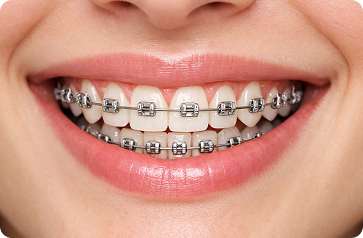
Metal braces are the most visible but highly effective. Clear ceramic braces blend with natural tooth color for a less noticeable look. Self-ligating braces often feel smoother due to reduced friction, while clear aligners offer the most discreet option overall.
Are clear or hidden braces as effective as metal braces?
Yes, in many cases. Clear ceramic braces and self-ligating systems can achieve results similar to metal braces when used appropriately. Effectiveness depends on the individual orthodontic needs, not just the brace type.
Which type of braces is right for my smile?
The right option depends on alignment goals, bite concerns, lifestyle, and personal preferences. An orthodontic evaluation helps determine which system will provide the safest and most predictable results.
How do different braces options affect treatment time?
Treatment time is influenced more by case complexity and patient compliance than by brace type. Some advanced systems may reduce the number of adjustments, but timelines vary for each individual.
Do different types of braces require different care?
All braces require good oral hygiene. Clear braces may need extra care to prevent staining, while aligners must be worn consistently and cleaned daily to remain effective.
Can I switch to a different type of braces during treatment?
In some cases, yes. Switching may be possible depending on treatment progress and clinical factors. Your orthodontist can advise whether a change is appropriate and beneficial.
What is Pitts Pro and how is it different from traditional braces?
Pitts Pro is an advanced self-ligating orthodontic system that uses specialized brackets and clips instead of elastic ties. This design allows teeth to move more efficiently with reduced friction compared to traditional braces.
Who is a good candidate for Pitts Pro orthodontic treatment?
Pitts Pro can be suitable for patients with mild to complex alignment or bite concerns. A professional evaluation helps determine whether this system aligns with individual treatment goals and movement needs.
Is Pitts Pro suitable for both teens and adults?
Yes. Pitts Pro is designed for a wide age range and is commonly used for both teens and adults seeking efficient treatment with fewer adjustments.
Does Pitts Pro treatment feel different from traditional braces?
Many patients report smoother tooth movement and less pressure due to reduced friction. Mild soreness may occur initially, which is normal with any orthodontic treatment.
How does Pitts Pro support long-term smile stability?
Pitts Pro promotes balanced tooth movement and proper bite alignment, which supports stable, long-lasting results when followed by appropriate retainer use.
Does Pitts Pro reduce the need for extra appliances or adjustments?
Pitts Pro promotes balanced tooth movement and proper bite alignment, which supports stable, long-lasting results when followed by appropriate retainer use.
Your Child’s Best Smile Starts with One Visit





For Our Community, With Pride

YOUR SMILE JOURNEY IS CLOSER THAN YOU THINK

SCHEDULE YOUR Complimentary EXAM TODAY

Follow US
@NaiduorthodonticsYour smile journey is Closer thank you think
SCHEDULE YOUR
COMPLIMENTARY EXAM TODAY