Reduce the need for more invasive treatment later
early Orthodonticintervention
Guiding Growth Early for Healthier Smiles Later
At Naidu Orthodontics in Pembroke Pines, early care is always thoughtful and conservative. Treatment is recommended only when it benefits your child’s long-term comfort, function, and confidence.
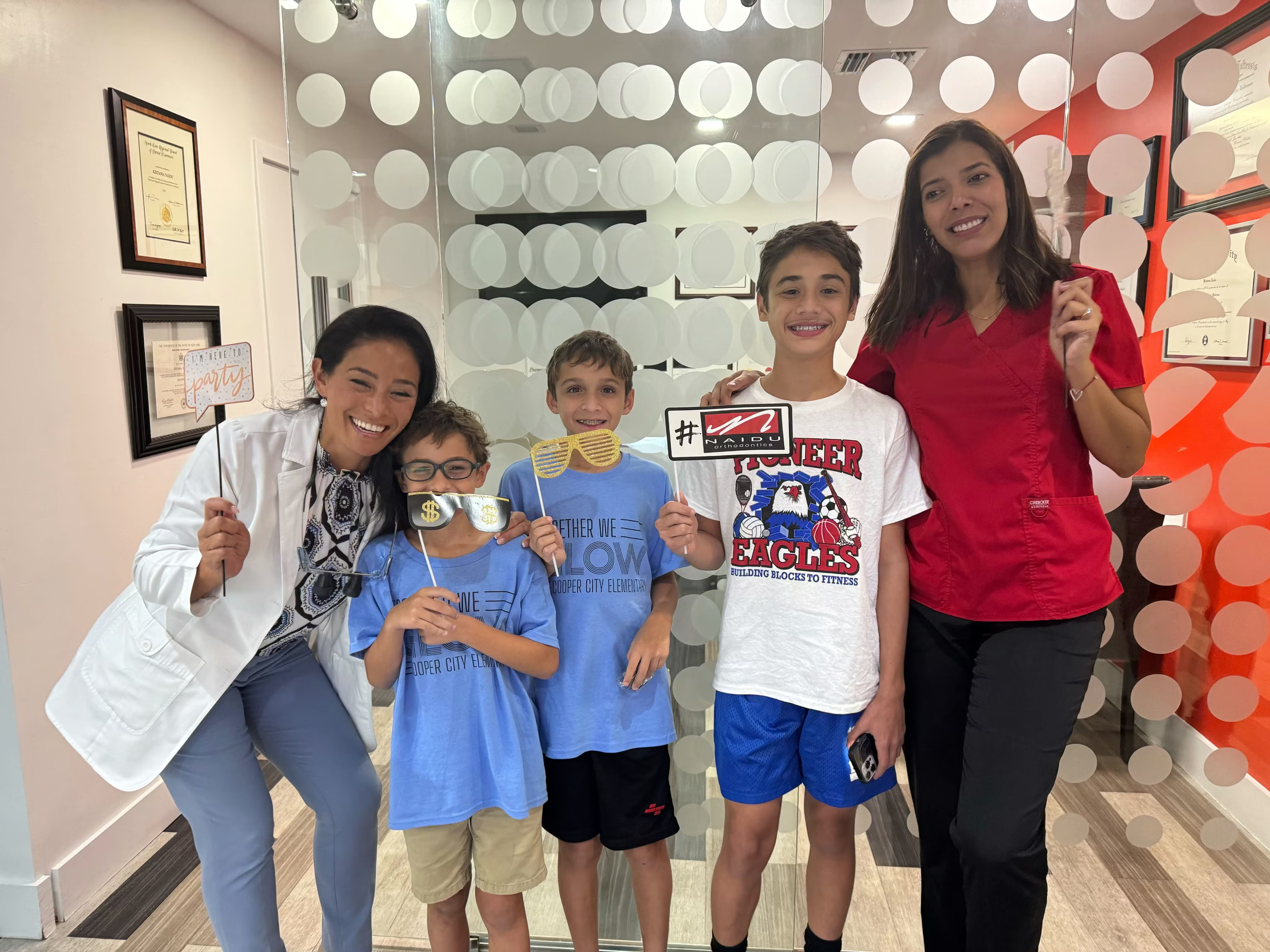
When Should a Child See an Orthodontist
Not every child needs orthodontic treatment, but every child can benefit from an early evaluation. Most orthodontic professionals recommend a first orthodontic check around age 7, when jaw growth patterns and erupting teeth begin to reveal how a child’s smile is developing. At this stage, our doctors can identify potential concerns early even if treatment is not needed right away.
An early visit does not mean braces will start immediately. In many cases, we simply monitor growth and guide parents on what to expect as their child’s smile continues to develop.
schedule Consultation
Why Early Timing Matters
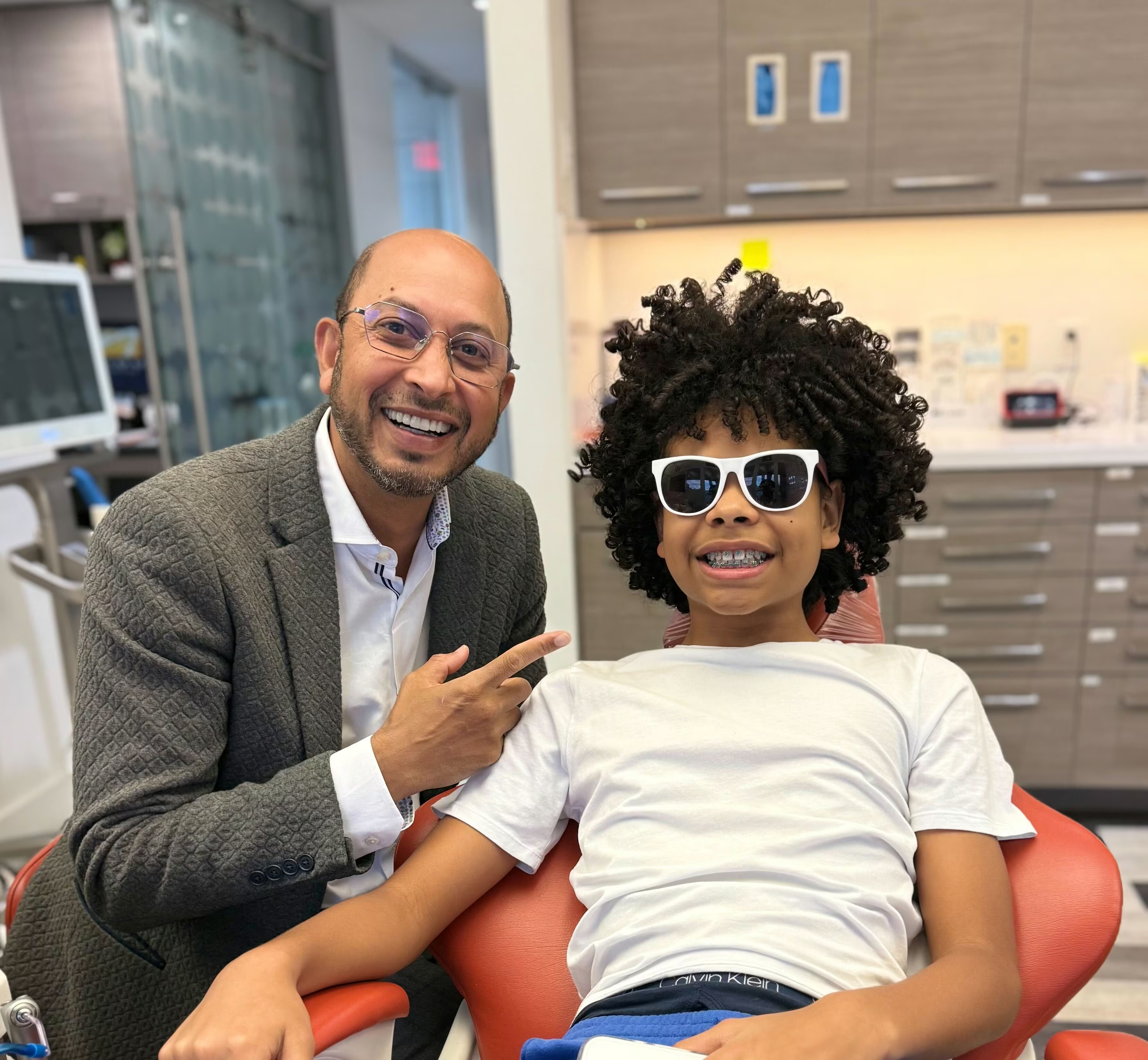
Confident Smiles for the Years That Matter Most
During childhood, the jaws are still growing and adapting. This flexibility allows orthodontic guidance to be more gentle and efficient than treatment later in life. Addressing concerns early may:
Shorten future orthodontic timelines
Help jaws develop in a balanced way
Improve how permanent teeth emerge
Support healthy chewing, speaking, and breathing
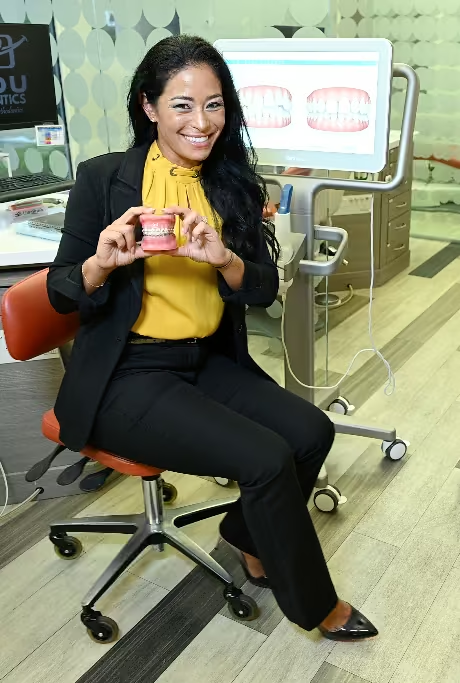
palatal expanders
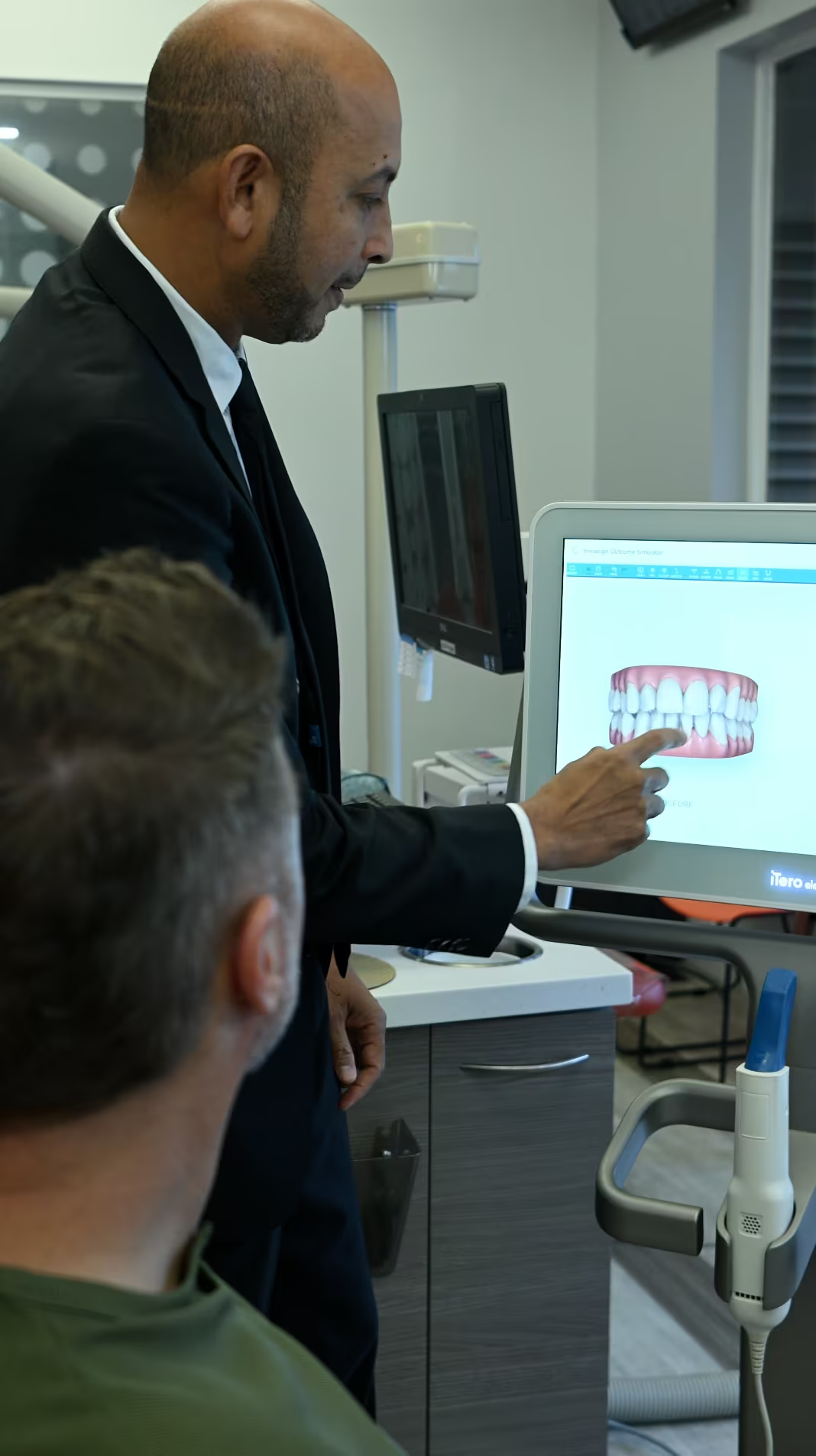
Palatal expanders are sometimes used as part of early orthodontic care to support jaw development and create space for permanent teeth. Why they’re used:
Helps widen a narrow upper jaw during growth
Creates room for healthy tooth eruption
kelEs expanders
A modern palatal expander designed for comfort, simplicity, and consistent results—without the need for a separate activation key.
KEY BENEFITS:
No key required for activation
Easier for parents and children to use
Controlled, efficient jaw expansion
how we approach early orthodontic care
Children’s smiles may be small, but the changes happening beneath the surface are significant. Many early orthodontic concerns stem from how the jaws are growing in width or position.
Monitoring growth over time
Using a growth-guiding appliance when needed
Creating space for permanent teeth to erupt properly
Preparing the smile for future braces or aligners
In some cases, treatment is completed in phases, with a break between early guidance and later alignment once all permanent teeth are in place.
Common Concerns Early Intervention Can Address
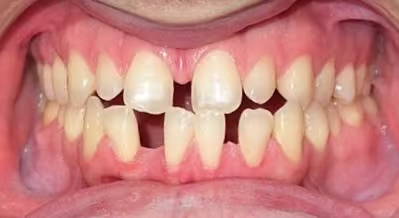
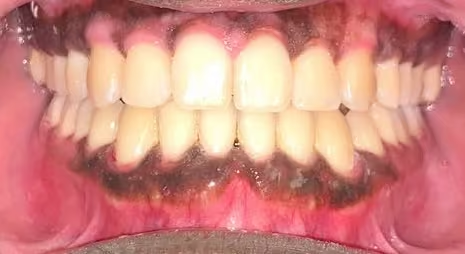
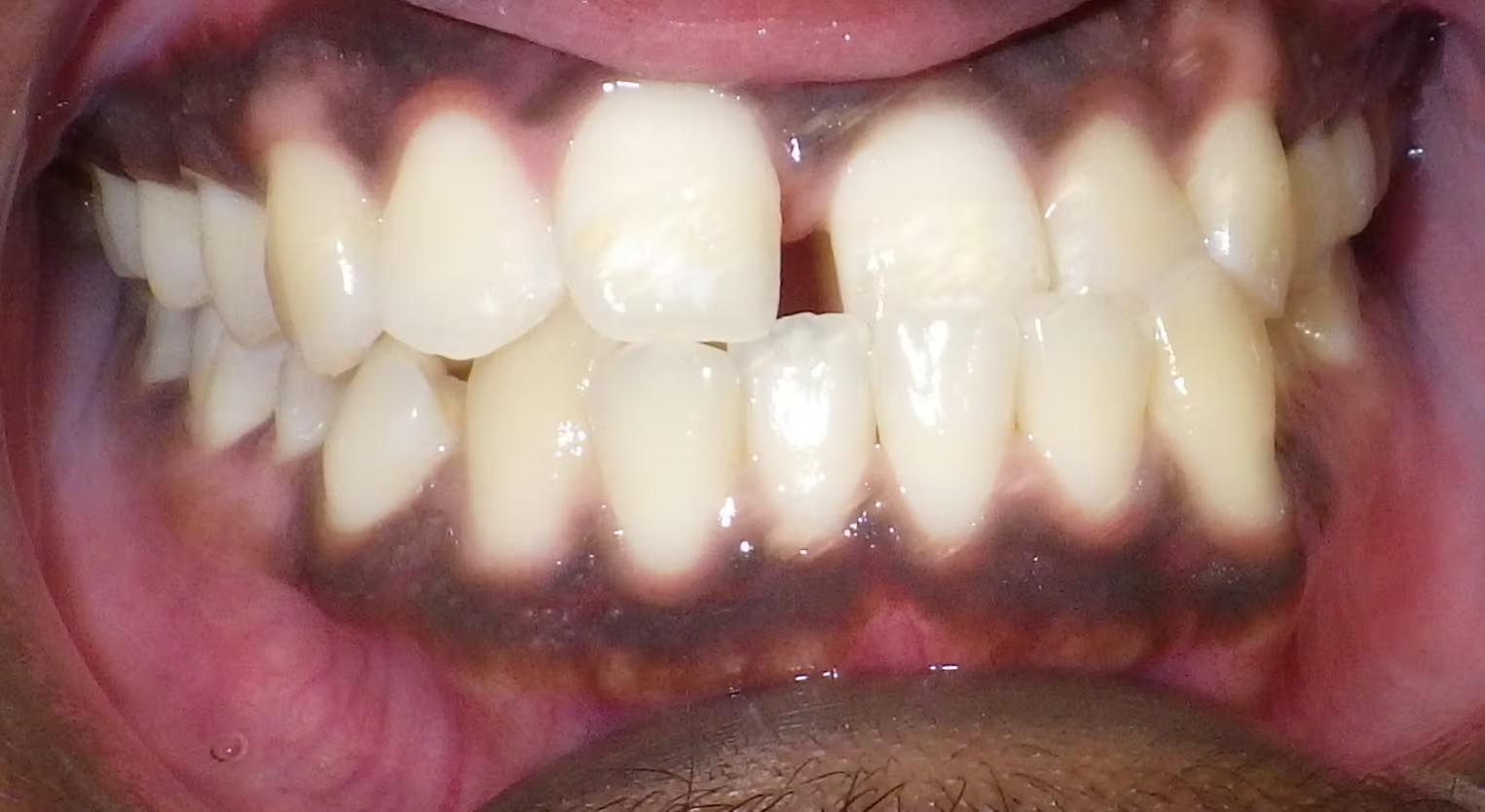
Early orthodontic care may help manage or prevent issues such as:
Crowding or lack of space for permanent teeth
Bite misalignment, including overbite or underbite
Jaw growth imbalance
Difficulty biting or chewing
Speech challenges related to alignment
Mouth breathing or airway concerns
FREQUENTLY ASKED QUESTIONS

Does early orthodontic intervention mean my child will need braces right away?
No. An early orthodontic visit is primarily informational. Many children are simply monitored over time, and treatment is only recommended if and when it’s truly beneficial.
Why is age 7 often recommended for an orthodontic evaluation?
Around age 7, a mix of baby teeth and permanent teeth allows orthodontists to identify growth patterns, spacing concerns, and bite issues early—when they’re easier to guide.
What happens if my child is not ready for treatment yet?
If treatment isn’t needed, your child may be placed under periodic observation. This allows the orthodontist to track development and begin care at the most appropriate time.
Can early intervention reduce the need for braces later?
In many cases, yes. Early guidance can simplify future treatment, reduce severity, or shorten later orthodontic care, though some children may still need braces or aligners as teens.
Is early orthodontic treatment uncomfortable for children?
Early treatment uses gentle, age-appropriate appliances designed for comfort. Most children adapt quickly, and any discomfort is usually mild and temporary.
How long does early orthodontic treatment usually last?
Early intervention typically lasts 6 to 12 months, followed by a resting or monitoring phase until permanent teeth finish developing.
Your Child’s Best Smile Starts with One Visit
Early orthodontic guidance helps your child grow into a confident, healthy smile—from childhood to adulthood.
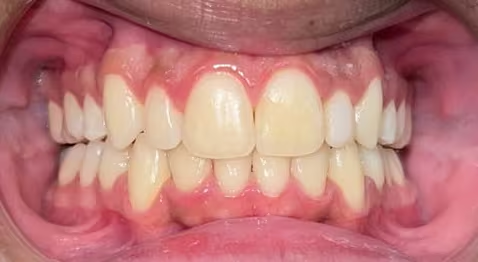
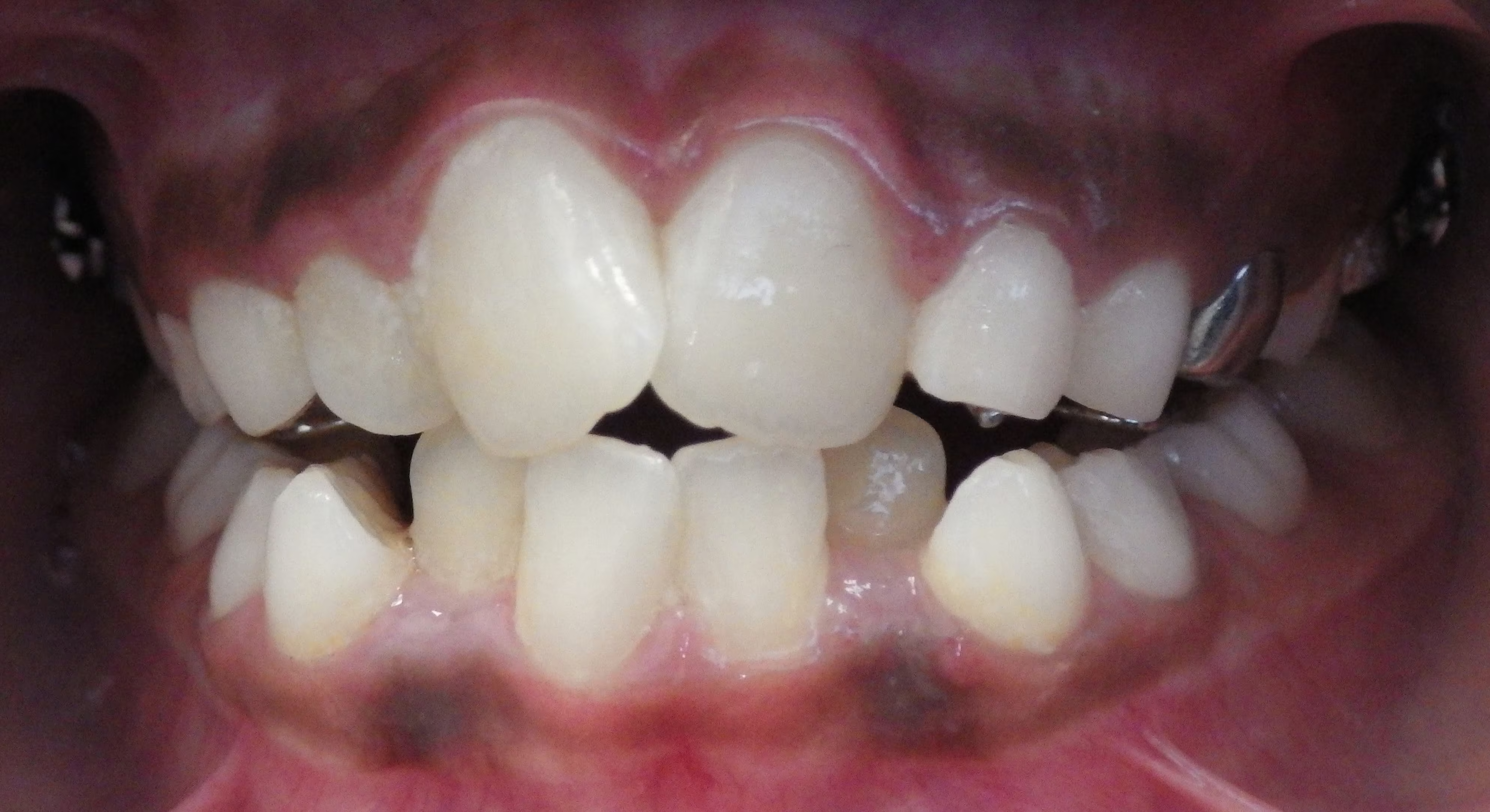
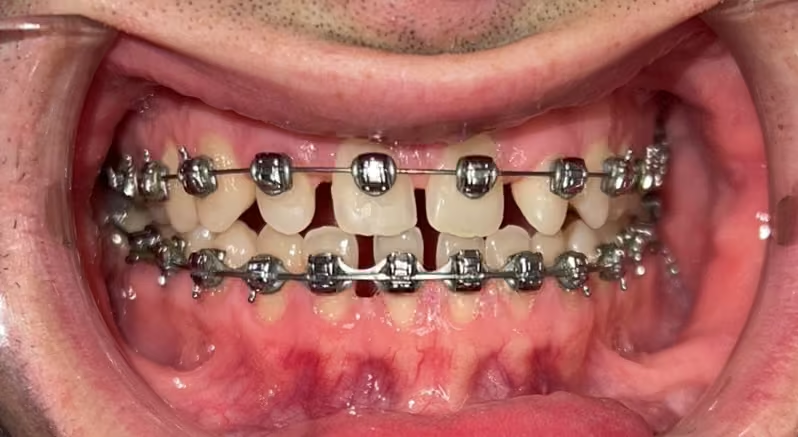

Amanda A
19 Aug 2020
“I want to thank Naidu and his team for his service and over all great experience!!!”

Emily B.
11 March 2025
“Dr. Naidu is the best! Friendly staff and very accommodating . Thank you!”

Frank W.
07 February 2025
“Had a great experience here. Fantastic service, friendly staff. Highly recommend.”

Mary C.
07 August 2024
“The quality and the services are great. I would highly recommend Dr. Naidu.“

Nicole F.
21 October 2024
“Had an awesome experience at Naidu orthodontics. thank you so much Naidu”

M m.
20 September 2024
“Best orthodontist! He is extremely smart and gifted at his craft.“

Robert S.
14 February 2024
“We are very happy with the results. Naidu's staff is always friendly and professional.”

Tiffany R
28 January 2022
“I love it! Its a great product. All in all, I highly recommend this Orthodontics!”
Amanda A
19 Aug 2020
“I want to thank Naidu and his team for his service and over all great experience!!!”
Emily B.
11 March 2025
“Dr. Naidu is the best! Friendly staff and very accommodating . Thank you!”
Frank W.
07 February 2025
“Had a great experience here. Fantastic service, friendly staff. Highly recommend.”
Mary C.
07 August 2024
“The quality and the services are great. I would highly recommend Dr. Naidu.“
Nicole F.
21 October 2024
“Had an awesome experience at Naidu orthodontics. thank you so much Naidu”
M m.
20 September 2024
“Best orthodontist! He is extremely smart and gifted at his craft.“
Robert S.
14 February 2024
“We are very happy with the results. Naidu's staff is always friendly and professional.”
Tiffany R
28 January 2022
“I love it! Its a great product. All in all, I highly recommend this Orthodontics!”
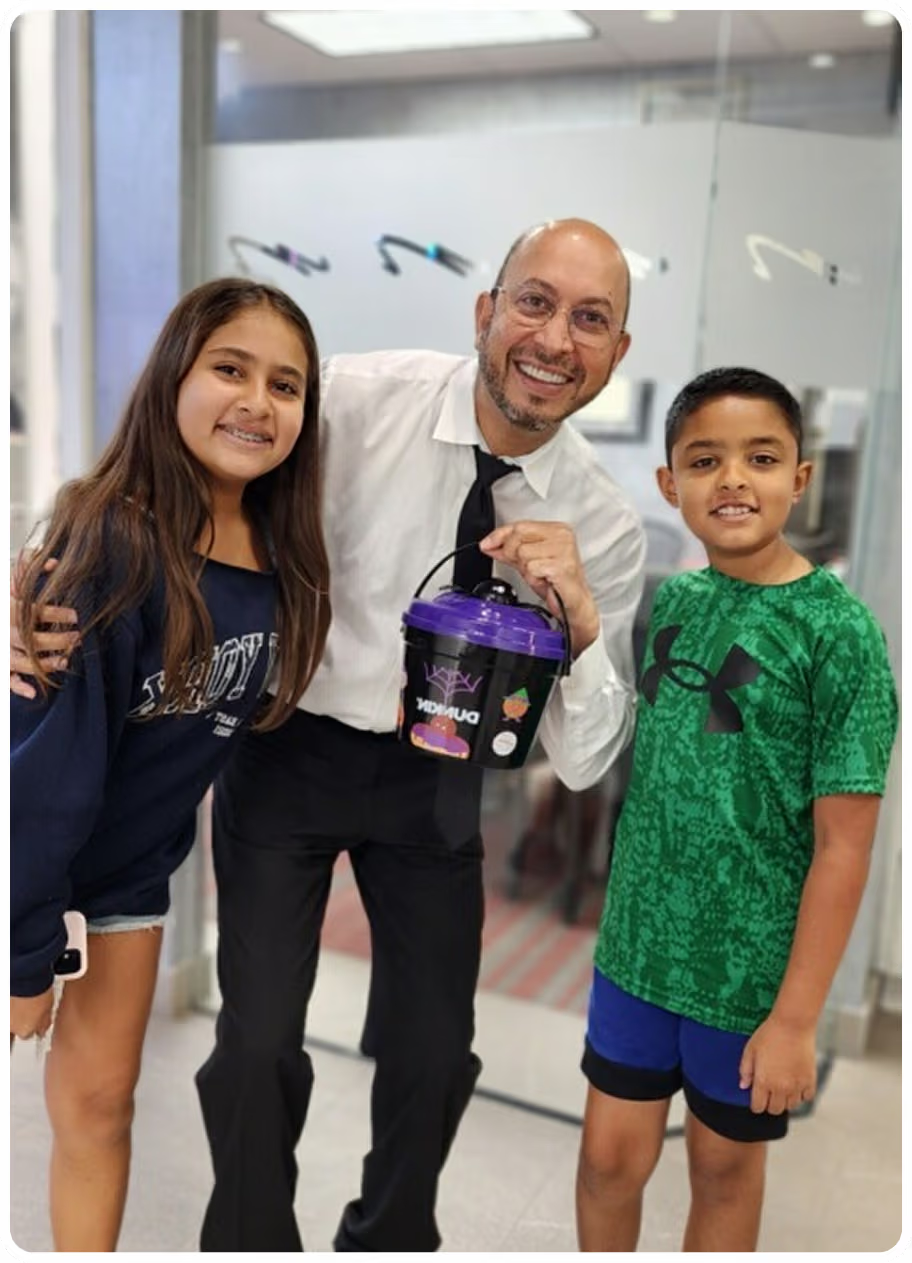
For Our Community, With Pride
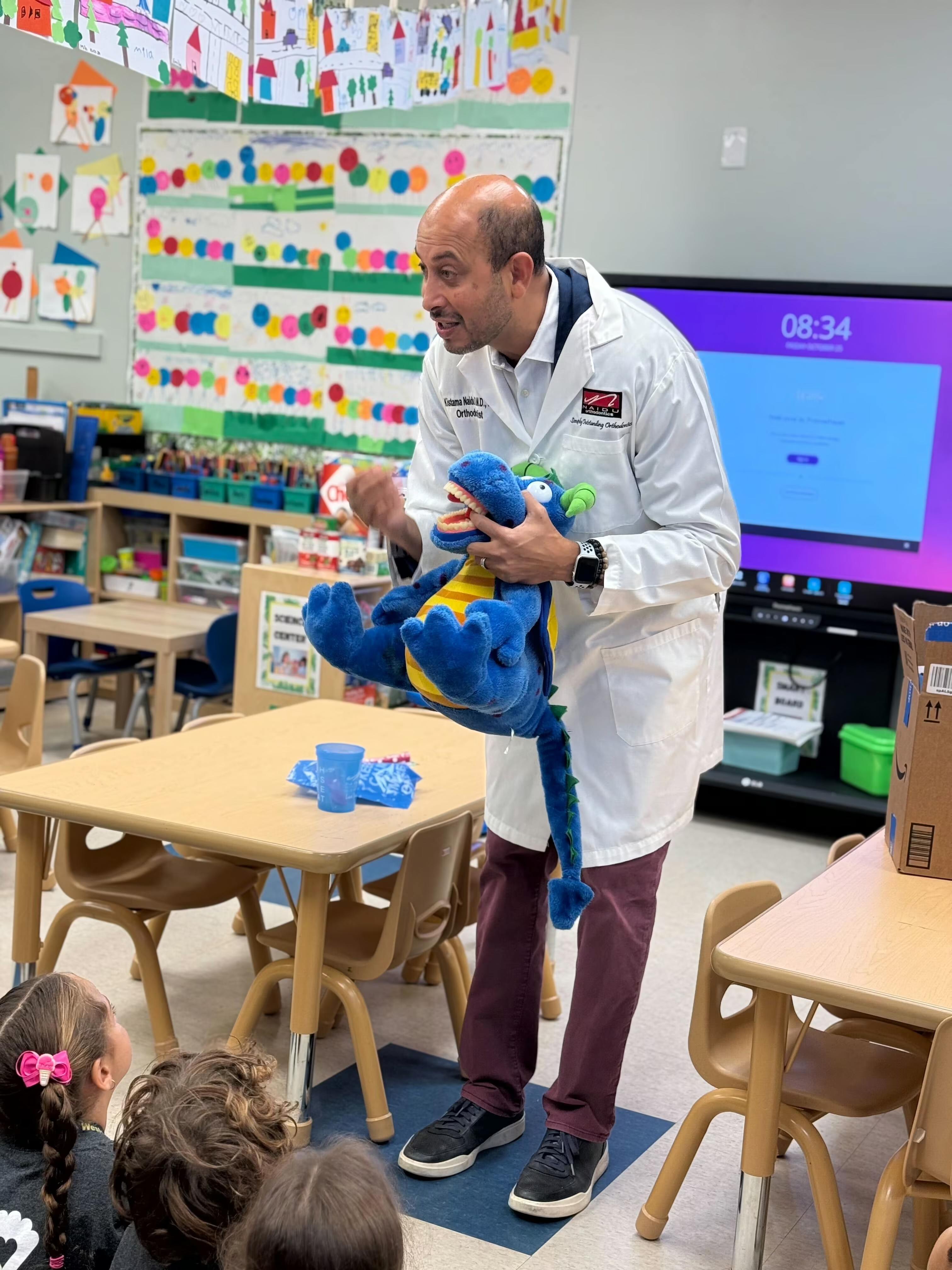
Proudly serving Pembroke Pines for 20 years.
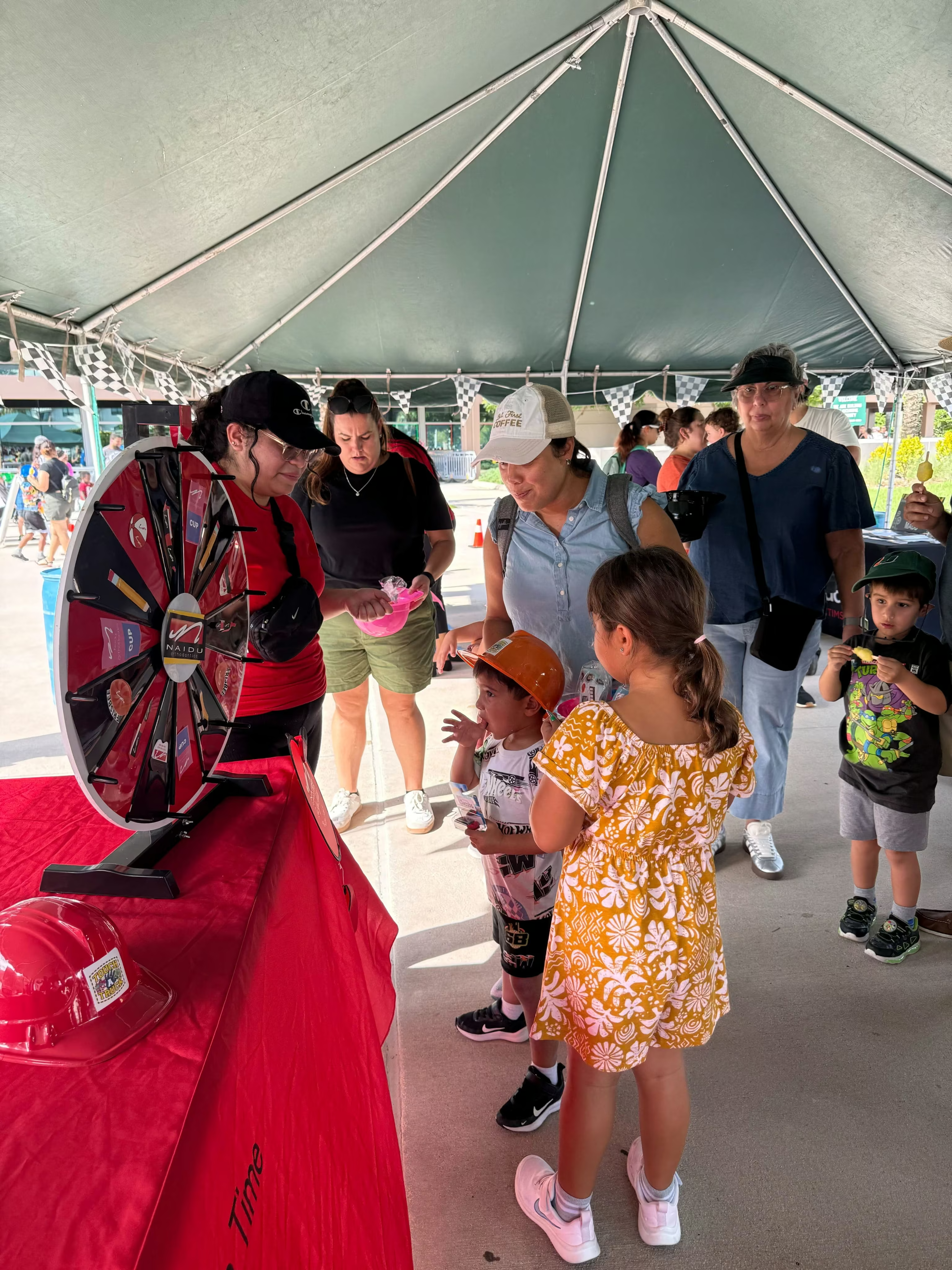
We’re proud to be part of the Pembroke Pines community—supporting local schools, fundraisers, and families who make this city shine.
Learn more
YOUR SMILE JOURNEY IS CLOSER THAN YOU THINK
First step toward the confident smile you deserve.
SCHEDULE YOUR Complimentary EXAM TODAY
Start Smiling today

Follow US
@NaiduorthodonticsYour smile journey is Closer thank you think
First step toward the confident smile you
deserve.
SCHEDULE YOUR
COMPLIMENTARY EXAM TODAY
Smile now