Removable Retainers
retainerTreatment options
Protecting Your Smile for the Long Term
At Naidu Orthodontics in Pembroke Pines, we guide you through proper retainer wear and care so your smile stays aligned, healthy, and confident for years to come.
What Does a Retainer Do?
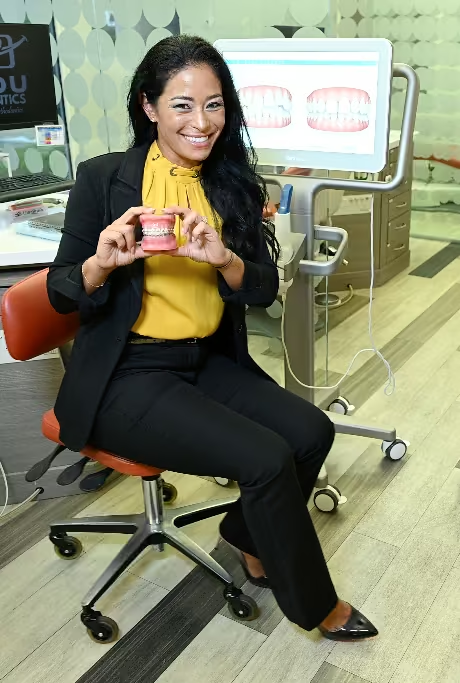
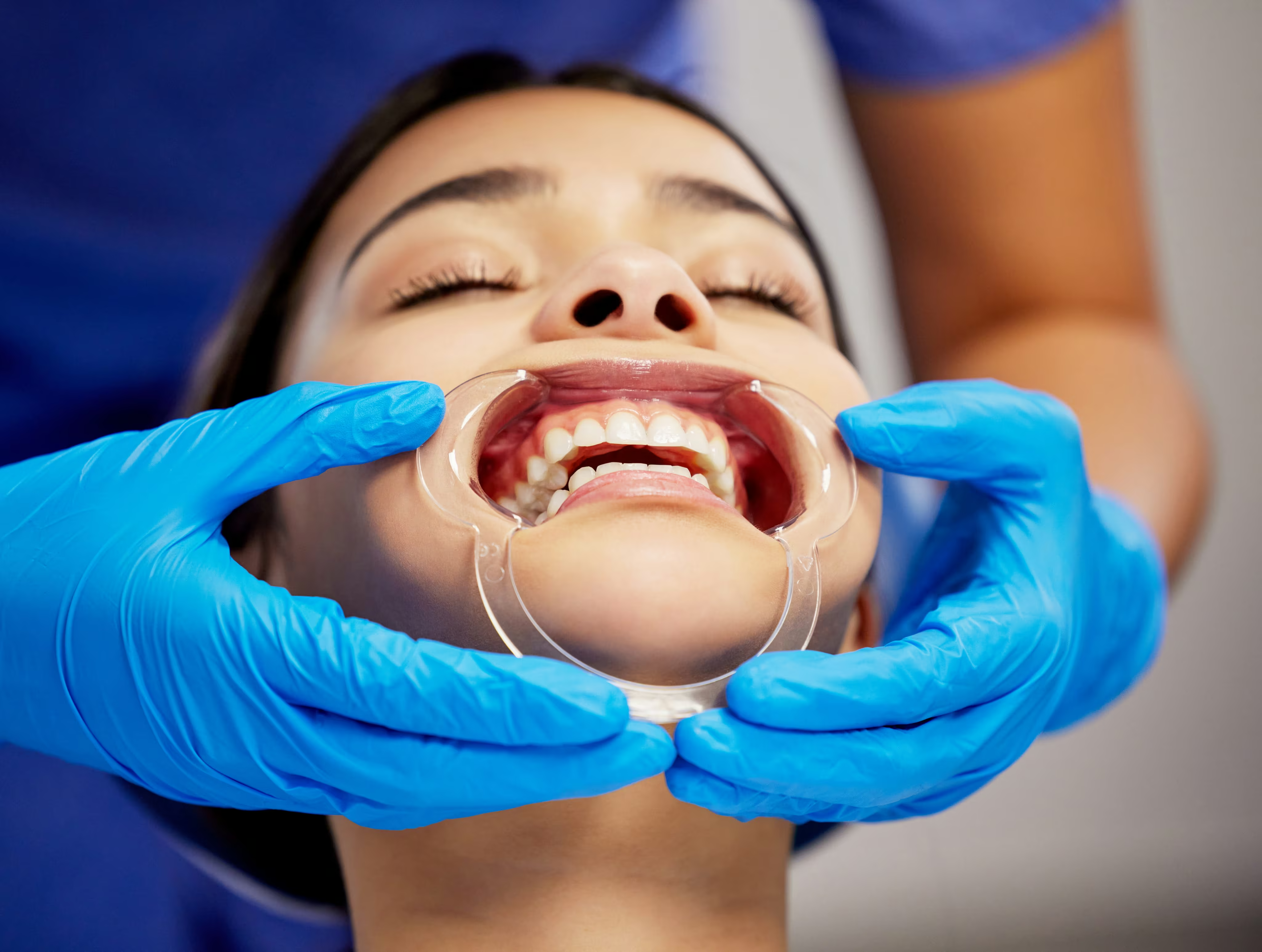
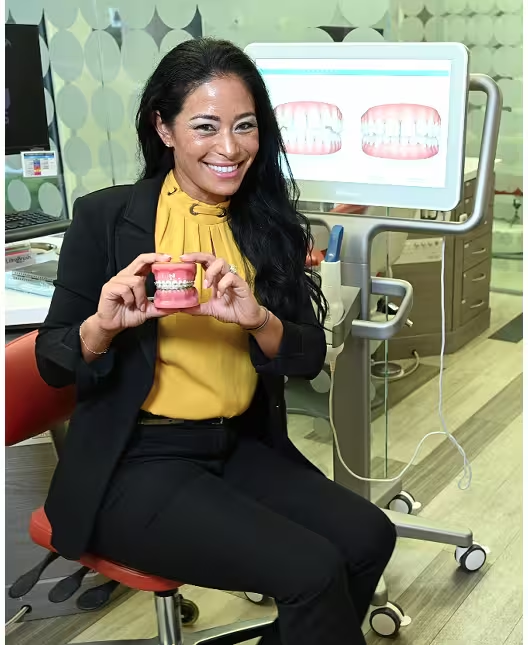
A retainer holds your teeth in place while the surrounding bone and tissues adjust, helping preserve the alignment achieved through braces or Invisalign.
Types of Retainers:
Fixed (permanent) retainers
Your orthodontist will recommend the option best suited to your treatment and lifestyle.
schedule Consultation
Removable Retainers
Removable retainers are similar in appearance to clear aligners and can be taken out for eating, brushing, and cleaning. Common types include:
Hawley Retainers: Made with a thin metal wire and an acrylic section that rests against the roof of the mouth
Essix Retainers: Clear, custom-molded retainers that fit snugly over the teeth, similar to Invisalign
Fixed Retainers
Fixed retainers consist of a small metal wire bonded behind the teeth, most commonly along the lower front teeth. In some cases, they may also be placed behind the upper teeth.
These retainers are designed to stay in place long term and require consistent oral hygiene. If plaque buildup or gum concerns develop, your dentist may recommend removal.

How long retainers are needed?
At the start of the retention phase, you’ll typically wear your retainer full-time for about 8 weeks. This allows your teeth to fully settle into their new positions.
After that, wear usually transitions to nighttime only. Because teeth can shift throughout life, long-term nighttime wear is recommended to protect your results indefinitely.
Retainer care Do’s and Don’ts
Do Not
Expose retainers to heat, including hot water, dishwashers, or leaving them in a car
Leave retainers where pets can reach them pets often chew them
Do
Store your retainer in its case whenever it’s not in your mouth
Clean your retainer daily using mild dish soap and a soft toothbrush
Clean your retainer case regularly with mild soap and lukewarm water
Soak retainers in a cleaning solution a few times per week
Rinse thoroughly after cleaning to remove any soap or cleanser residue
FREQUENTLY ASKED QUESTIONS

What happens if I stop wearing my retainer?
Teeth can begin to shift back toward their original positions—sometimes gradually, sometimes quickly. Retainers are essential for maintaining results long-term.
How quickly can teeth shift if a retainer is lost or broken?
Teeth can start shifting within days or weeks, especially soon after treatment. Replacing a lost or broken retainer quickly helps prevent noticeable movement.
How often do retainers need to be replaced?
Retainers typically last several years, but wear, cracking, or changes in fit may require replacement. Clear retainers often need replacement sooner.
Is retainer replacement covered by insurance?
Coverage varies by plan. Many insurance plans do not cover replacement retainers, which is why some practices offer retainer protection programs. Please note that our office only submits claims for full treatment coverages so any additional services like retainer replacements or repair would require you to submit your claim to your insurance for the service.
Can retainers be adjusted if they start to feel tight?
Yes. A tight retainer may indicate slight tooth movement. An orthodontic visit helps determine whether an adjustment or replacement is needed.
What should I do if my permanent retainer becomes loose?
Contact your orthodontic office as soon as possible. A loose permanent retainer can allow teeth to shift or cause discomfort if left untreated.
Keep Your Smile Right Where It Belongs
Retainers play a crucial role in maintaining the results of orthodontic treatment. With proper wear and care, your smile can stay beautifully aligned for years to come.

Amanda A
19 Aug 2020
“I want to thank Naidu and his team for his service and over all great experience!!!”

Emily B.
11 March 2025
“Dr. Naidu is the best! Friendly staff and very accommodating . Thank you!”

Frank W.
07 February 2025
“Had a great experience here. Fantastic service, friendly staff. Highly recommend.”

Mary C.
07 August 2024
“The quality and the services are great. I would highly recommend Dr. Naidu.“

Nicole F.
21 October 2024
“Had an awesome experience at Naidu orthodontics. thank you so much Naidu”

M m.
20 September 2024
“Best orthodontist! He is extremely smart and gifted at his craft.“

Robert S.
14 February 2024
“We are very happy with the results. Naidu's staff is always friendly and professional.”

Tiffany R
28 January 2022
“I love it! Its a great product. All in all, I highly recommend this Orthodontics!”
Amanda A
19 Aug 2020
“I want to thank Naidu and his team for his service and over all great experience!!!”
Emily B.
11 March 2025
“Dr. Naidu is the best! Friendly staff and very accommodating . Thank you!”
Frank W.
07 February 2025
“Had a great experience here. Fantastic service, friendly staff. Highly recommend.”
Mary C.
07 August 2024
“The quality and the services are great. I would highly recommend Dr. Naidu.“
Nicole F.
21 October 2024
“Had an awesome experience at Naidu orthodontics. thank you so much Naidu”
M m.
20 September 2024
“Best orthodontist! He is extremely smart and gifted at his craft.“
Robert S.
14 February 2024
“We are very happy with the results. Naidu's staff is always friendly and professional.”
Tiffany R
28 January 2022
“I love it! Its a great product. All in all, I highly recommend this Orthodontics!”
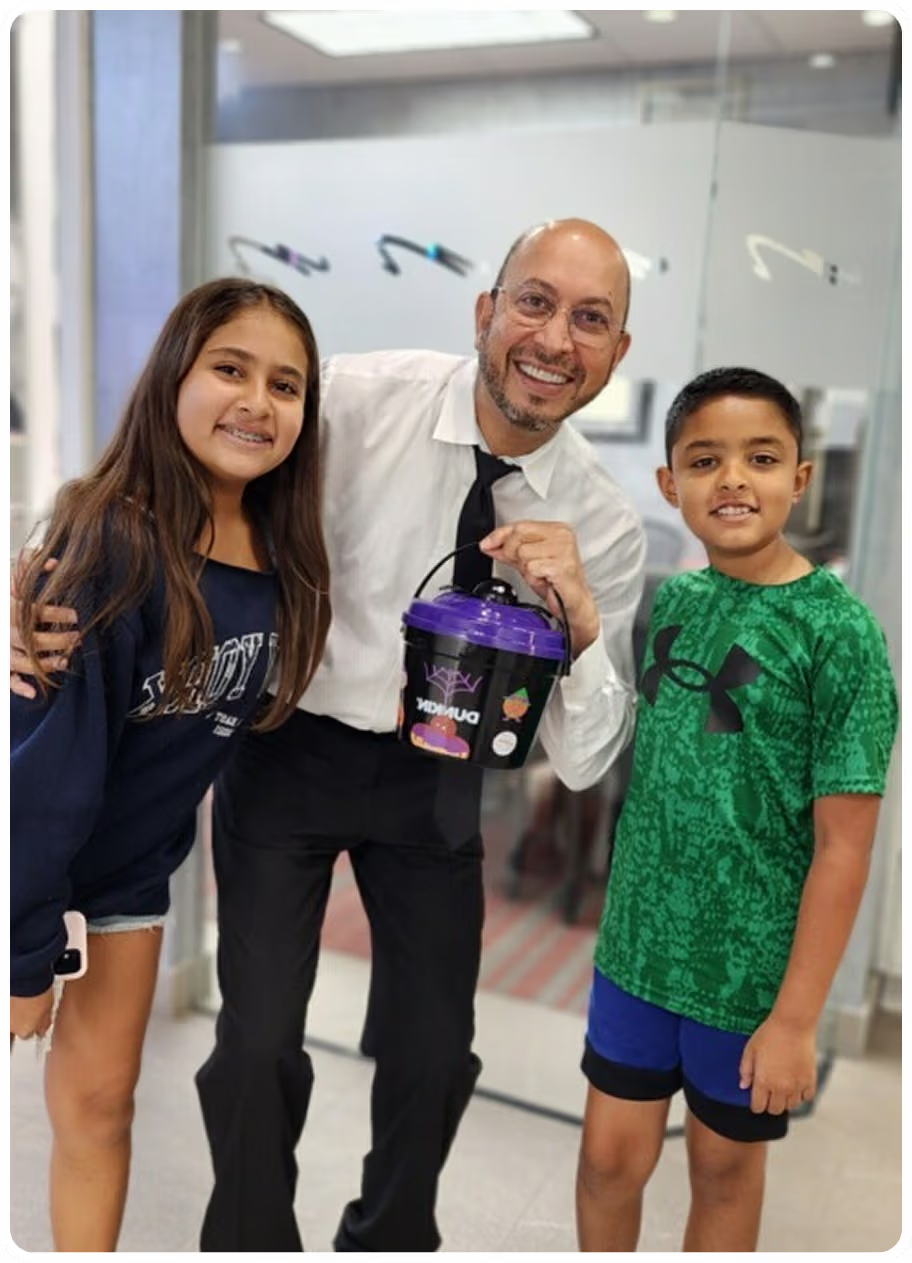
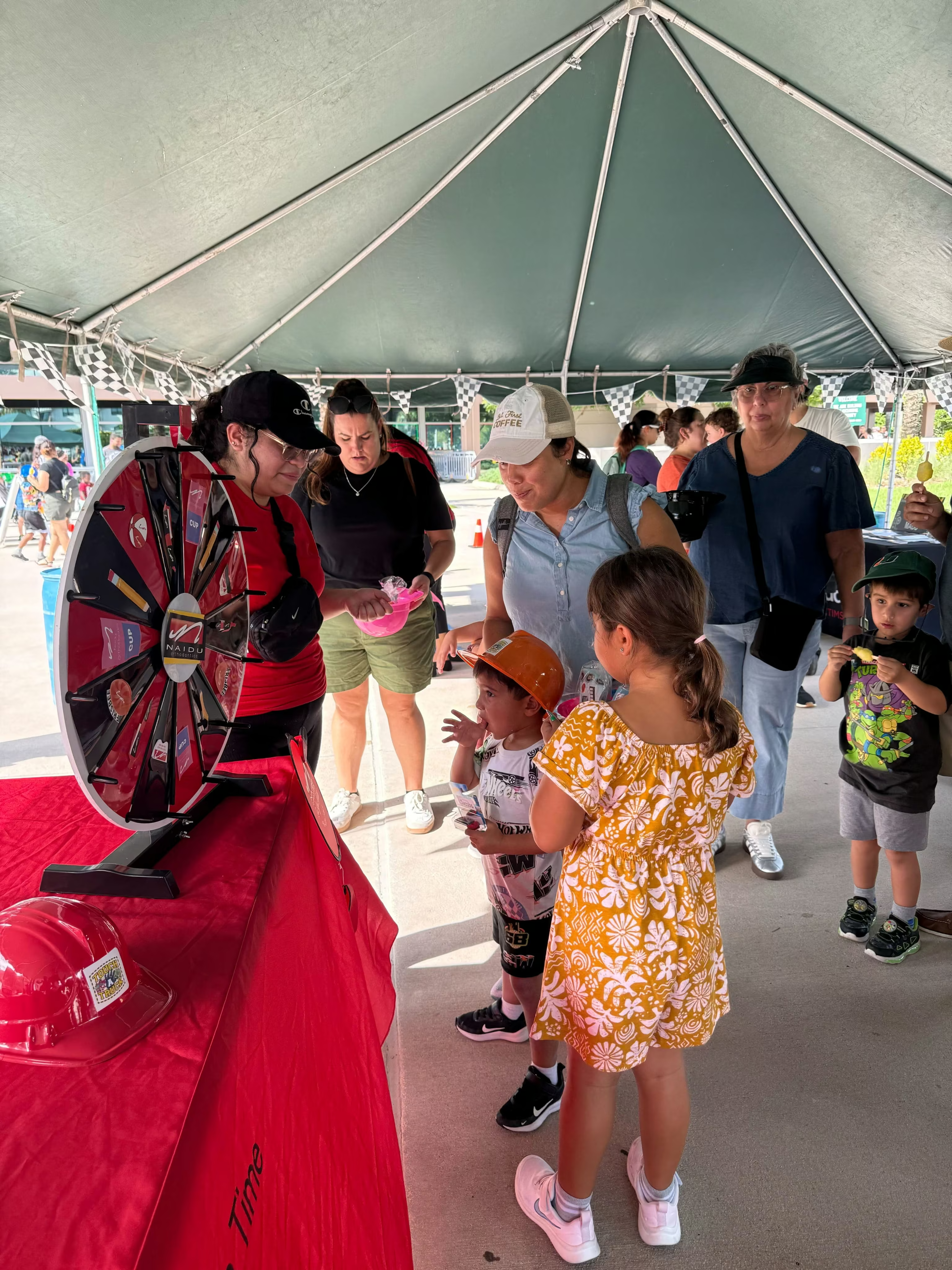
For Our Community, With Pride
Proudly serving Pembroke Pines for 20 years.
We’re proud to be part of the Pembroke Pines community—supporting local schools, fundraisers, and families who make this city shine.
Learn more

YOUR SMILE JOURNEY IS CLOSER THAN YOU THINK
First step toward the confident smile you deserve.

SCHEDULE YOUR Complimentary EXAM TODAY
Start Smiling today