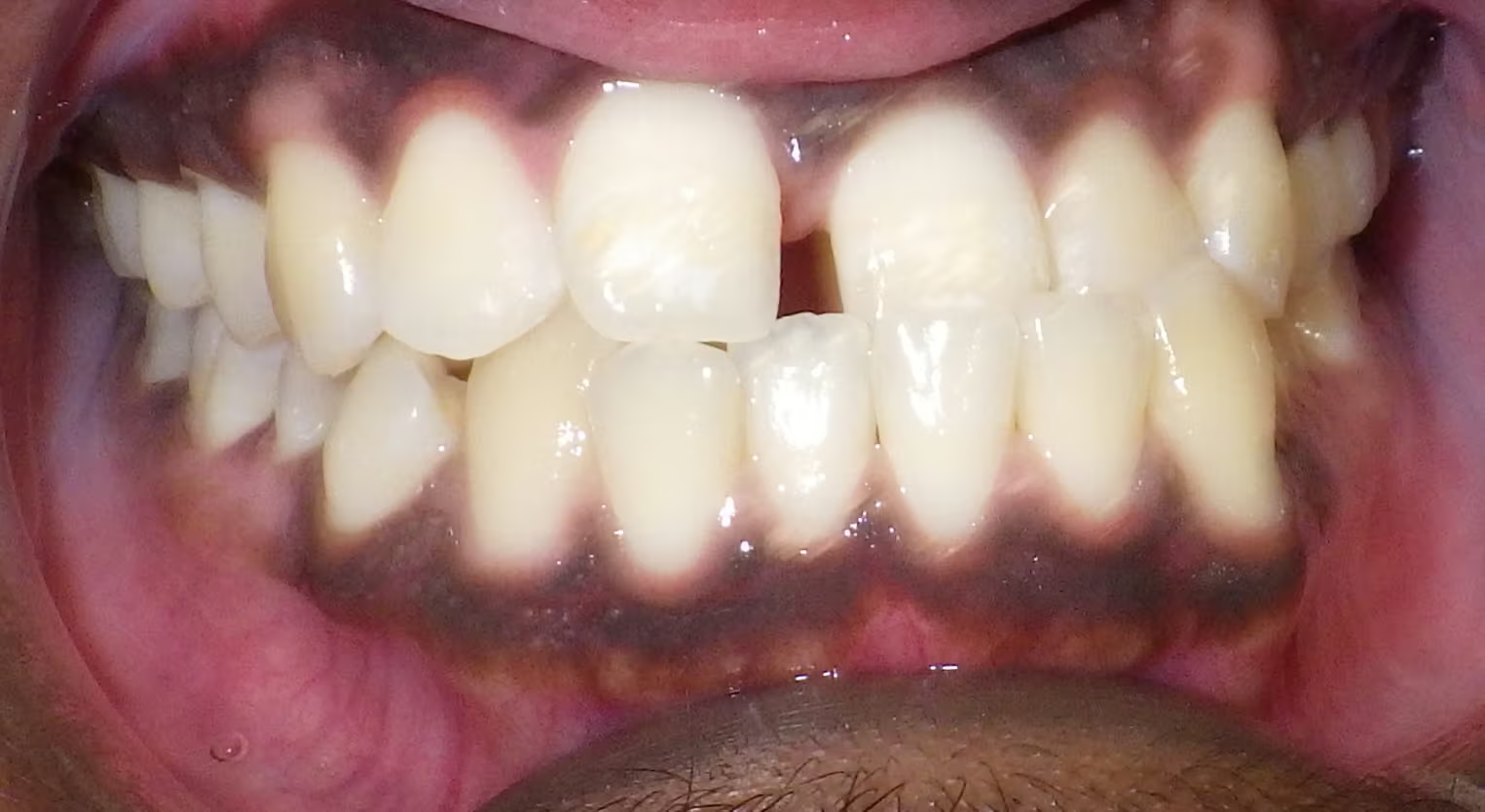
Bite balance and tooth contact
tmjorthodontics
Supporting Jaw Comfort, Balance, and Function
TMJ orthodontics focuses on how the teeth, bite, and jaw joints work together. At Naidu Orthodontics in Pembroke Pines, we evaluate bite alignment and jaw balance to determine whether orthodontic care can help reduce strain and support healthier jaw function.
Understanding TMJ Concerns
The temporomandibular joints connect the lower jaw to the skull and play a key role in speaking, chewing, and opening and closing the mouth. When these joints are under stress, discomfort or functional issues may occur.
TMJ-related concerns can vary from person to person and may develop gradually over time.
schedule Consultation
How Bite Alignment Plays a Role
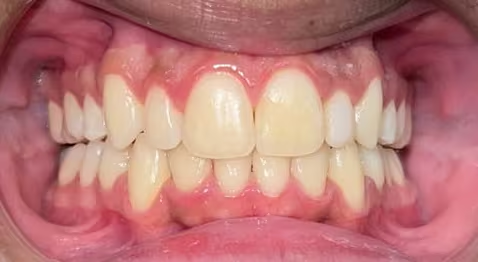
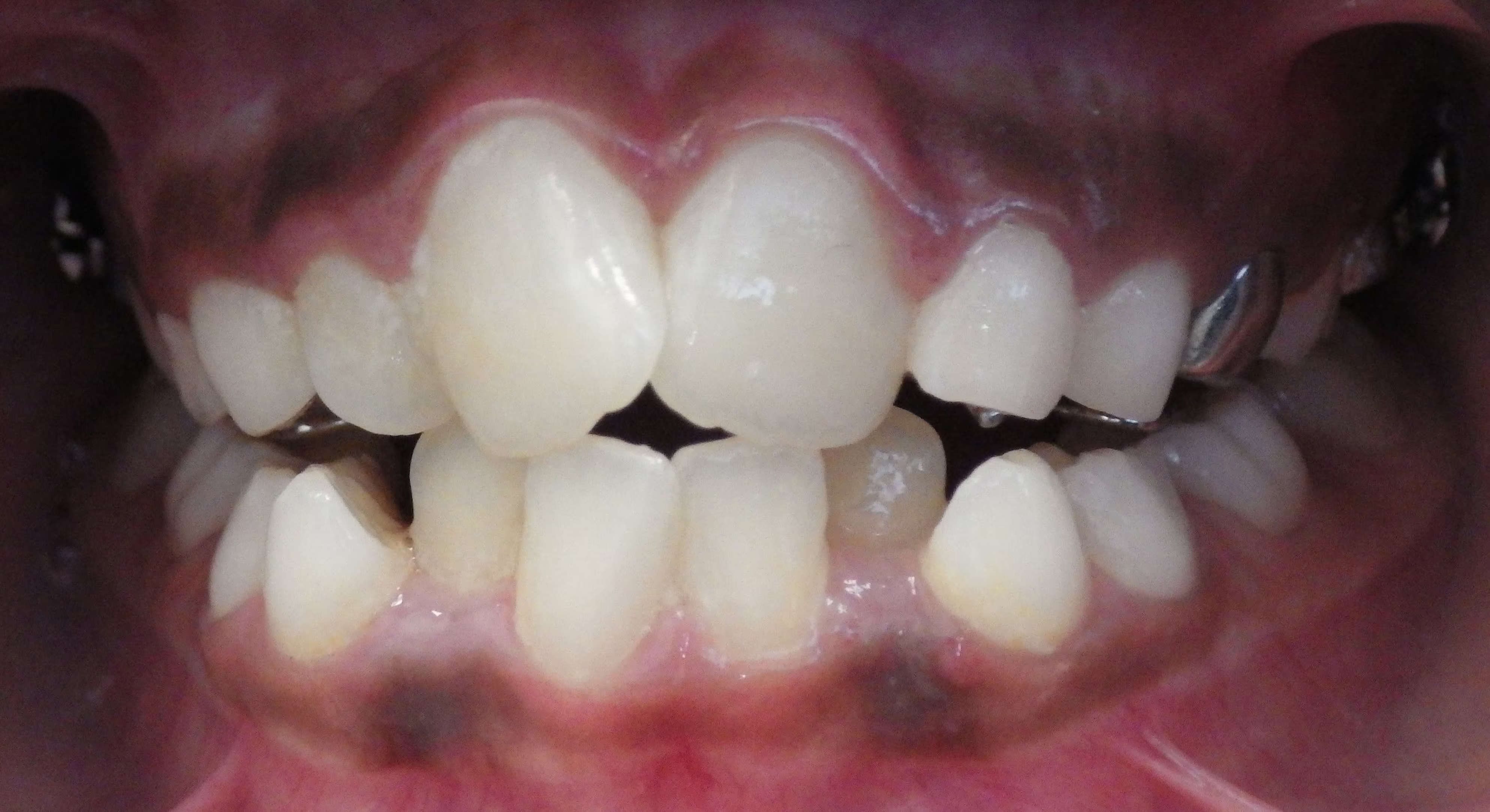
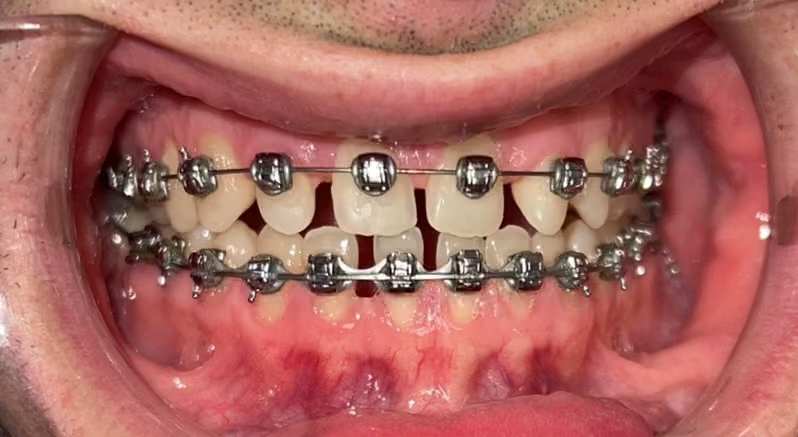
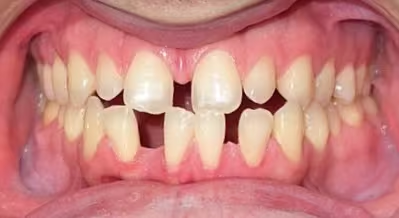
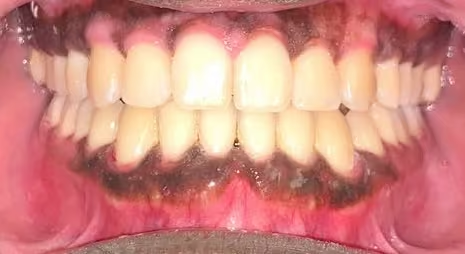
In some cases, TMJ discomfort is linked to how the teeth come together. An uneven bite, jaw imbalance, or shifting teeth can increase pressure on the jaw joints. Orthodontic evaluation helps assess:
Jaw positioning during movement
Areas of uneven pressure or strain
Changes in alignment over time
Not all TMJ concerns are orthodontic in nature, but alignment is an important factor to consider.
When Orthodontics May Help
Orthodontic care may be considered when bite alignment contributes to jaw strain or imbalance. Orthodontic treatment may help:
Improve how the teeth fit together
Distribute bite pressure more evenly
Reduce strain on the jaw joints
Support smoother jaw movement
TMJ-related orthodontic care is always approached conservatively. Treatment is recommended only when it supports long-term comfort, function, and overall oral health.
What to Expect During Evaluation
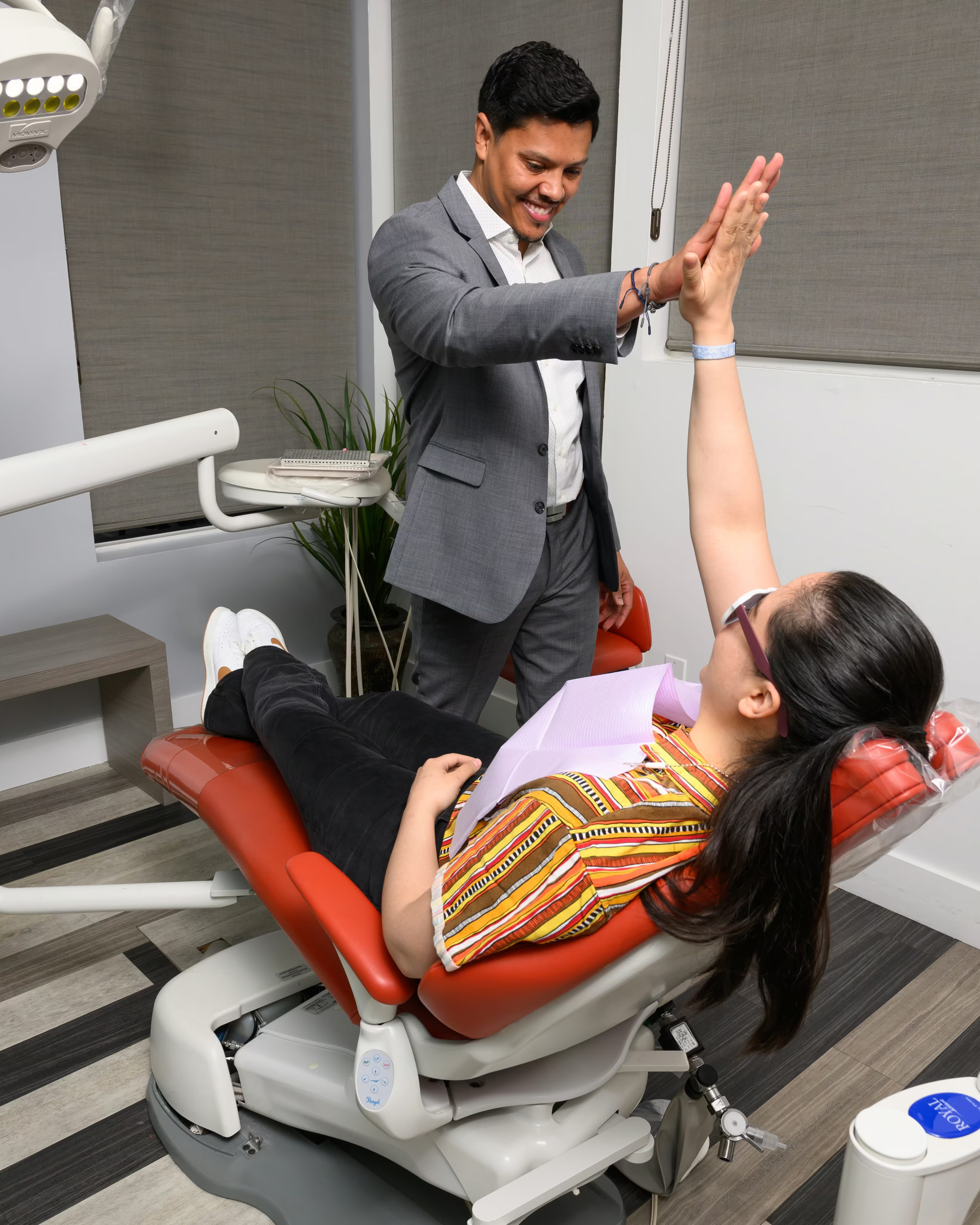
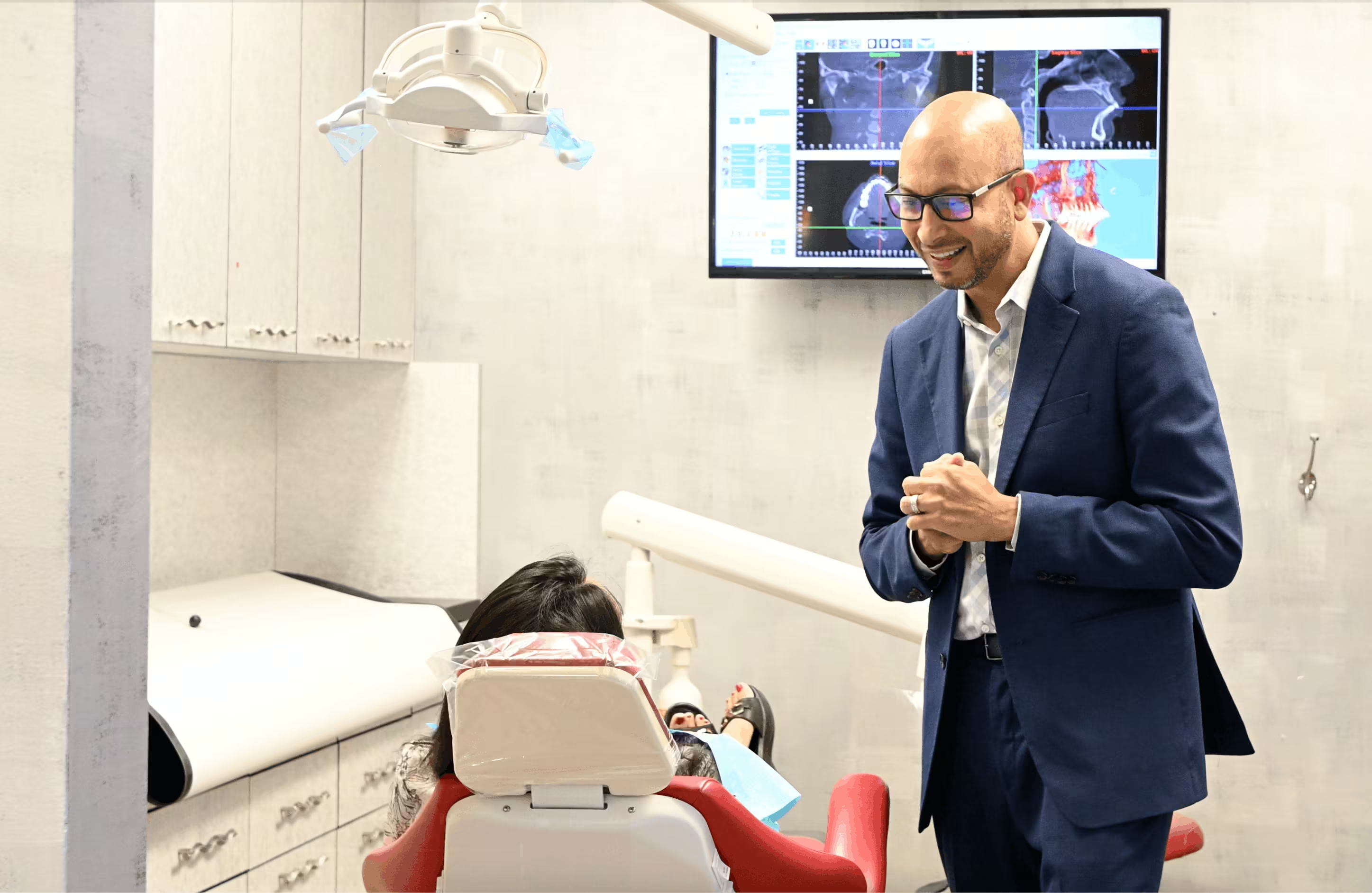
A TMJ-focused orthodontic evaluation may include:
Bite and alignment assessment
Review of jaw movement and function
Digital imaging as needed
Discussion of symptoms and lifestyle factors
If orthodontic care is appropriate, a personalized plan is developed with clear expectations and goals.
FREQUENTLY ASKED QUESTIONS

Can orthodontic treatment help with jaw discomfort?
In some cases, yes. If jaw discomfort is related to bite imbalance or tooth alignment, orthodontic care may help reduce strain. An evaluation determines whether orthodontics plays a role.
Is TMJ pain always related to bite alignment?
No. TMJ discomfort can have multiple causes, including muscle tension, joint inflammation, stress, or injury. Bite alignment is one factor, but not the only one.
Do braces or aligners affect the jaw joints?
Orthodontic treatment influences how pressure is distributed across the bite. Treatment is planned carefully to support healthy jaw function.
How do I know if orthodontics is right for my TMJ concerns?
A TMJ-focused orthodontic evaluation reviews bite alignment, jaw movement, and symptoms. If alignment contributes to discomfort, orthodontic care may be recommended.
Is TMJ orthodontic care different for teens and adults?
Yes. Teens and adults have different growth patterns and jaw stability, which affects treatment planning. Care is always tailored to age, symptoms, and long-term comfort.
What happens if orthodontics is not the right solution?
If orthodontics isn’t appropriate, your doctor may recommend monitoring, lifestyle adjustments, or coordination with other dental or medical providers to support jaw health.
Keep Your Smile Right Where It Belongs
TMJ treatment plays a crucial role in relieving jaw pain, tension, and discomfort. With proper care and a customized treatment plan, you can experience improved jaw function and long-term relief for years to come.

Amanda A
19 Aug 2020
“I want to thank Naidu and his team for his service and over all great experience!!!”

Emily B.
11 March 2025
“Dr. Naidu is the best! Friendly staff and very accommodating . Thank you!”

Frank W.
07 February 2025
“Had a great experience here. Fantastic service, friendly staff. Highly recommend.”

Mary C.
07 August 2024
“The quality and the services are great. I would highly recommend Dr. Naidu.“

Nicole F.
21 October 2024
“Had an awesome experience at Naidu orthodontics. thank you so much Naidu”

M m.
20 September 2024
“Best orthodontist! He is extremely smart and gifted at his craft.“

Robert S.
14 February 2024
“We are very happy with the results. Naidu's staff is always friendly and professional.”

Tiffany R
28 January 2022
“I love it! Its a great product. All in all, I highly recommend this Orthodontics!”
Amanda A
19 Aug 2020
“I want to thank Naidu and his team for his service and over all great experience!!!”
Emily B.
11 March 2025
“Dr. Naidu is the best! Friendly staff and very accommodating . Thank you!”
Frank W.
07 February 2025
“Had a great experience here. Fantastic service, friendly staff. Highly recommend.”
Mary C.
07 August 2024
“The quality and the services are great. I would highly recommend Dr. Naidu.“
Nicole F.
21 October 2024
“Had an awesome experience at Naidu orthodontics. thank you so much Naidu”
M m.
20 September 2024
“Best orthodontist! He is extremely smart and gifted at his craft.“
Robert S.
14 February 2024
“We are very happy with the results. Naidu's staff is always friendly and professional.”
Tiffany R
28 January 2022
“I love it! Its a great product. All in all, I highly recommend this Orthodontics!”
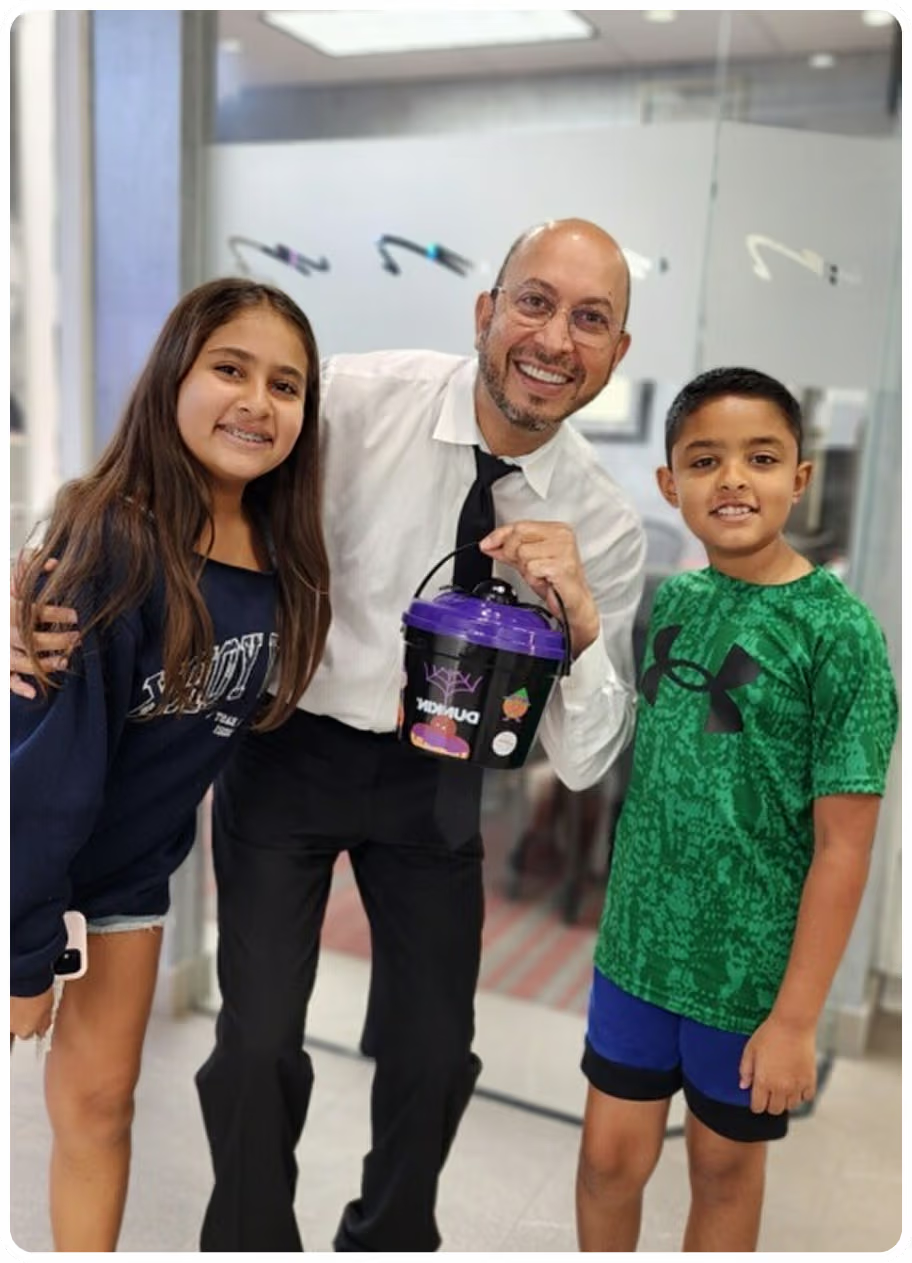
For Our Community, With Pride
Proudly serving Pembroke Pines for 20 years.
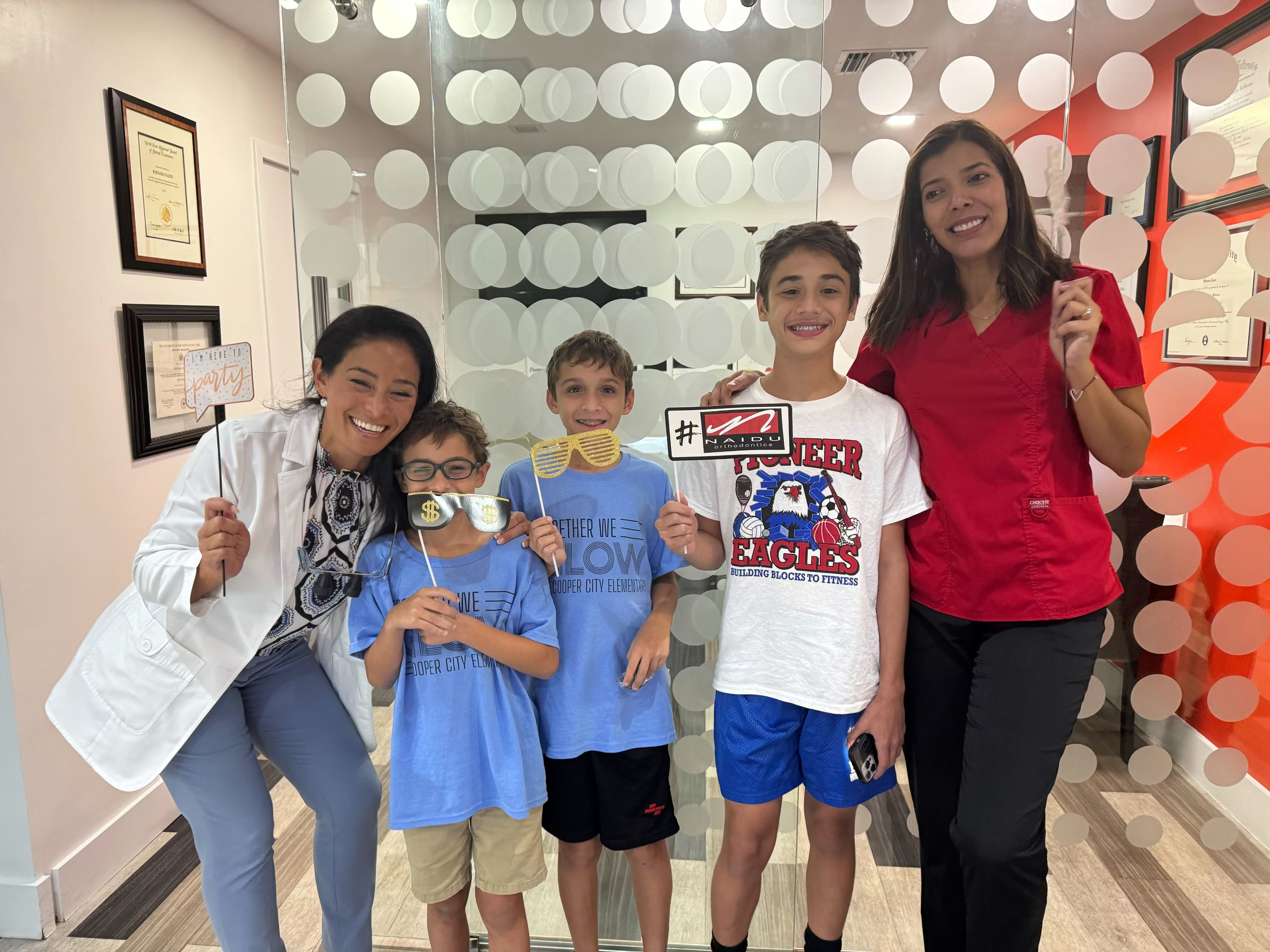
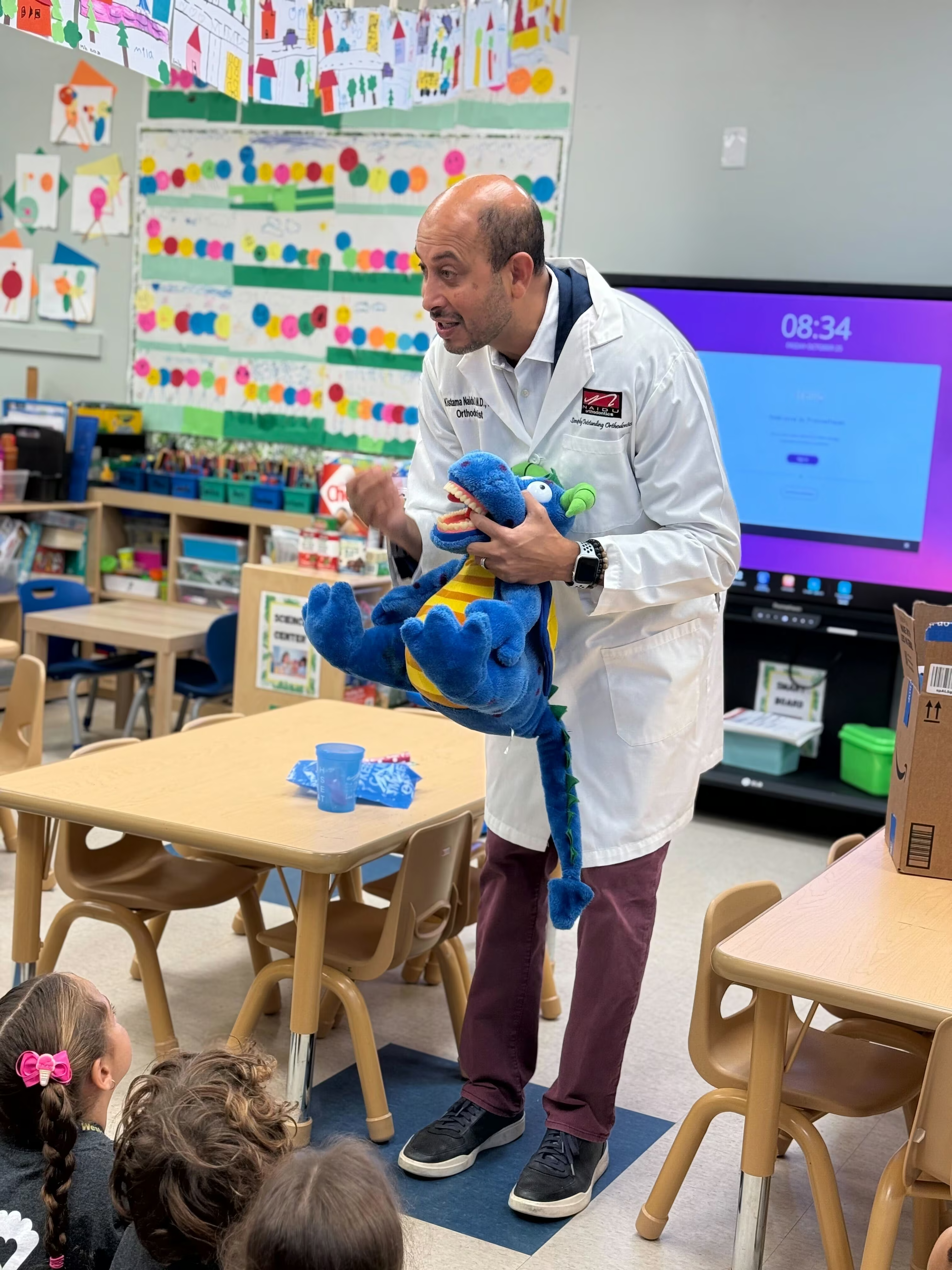
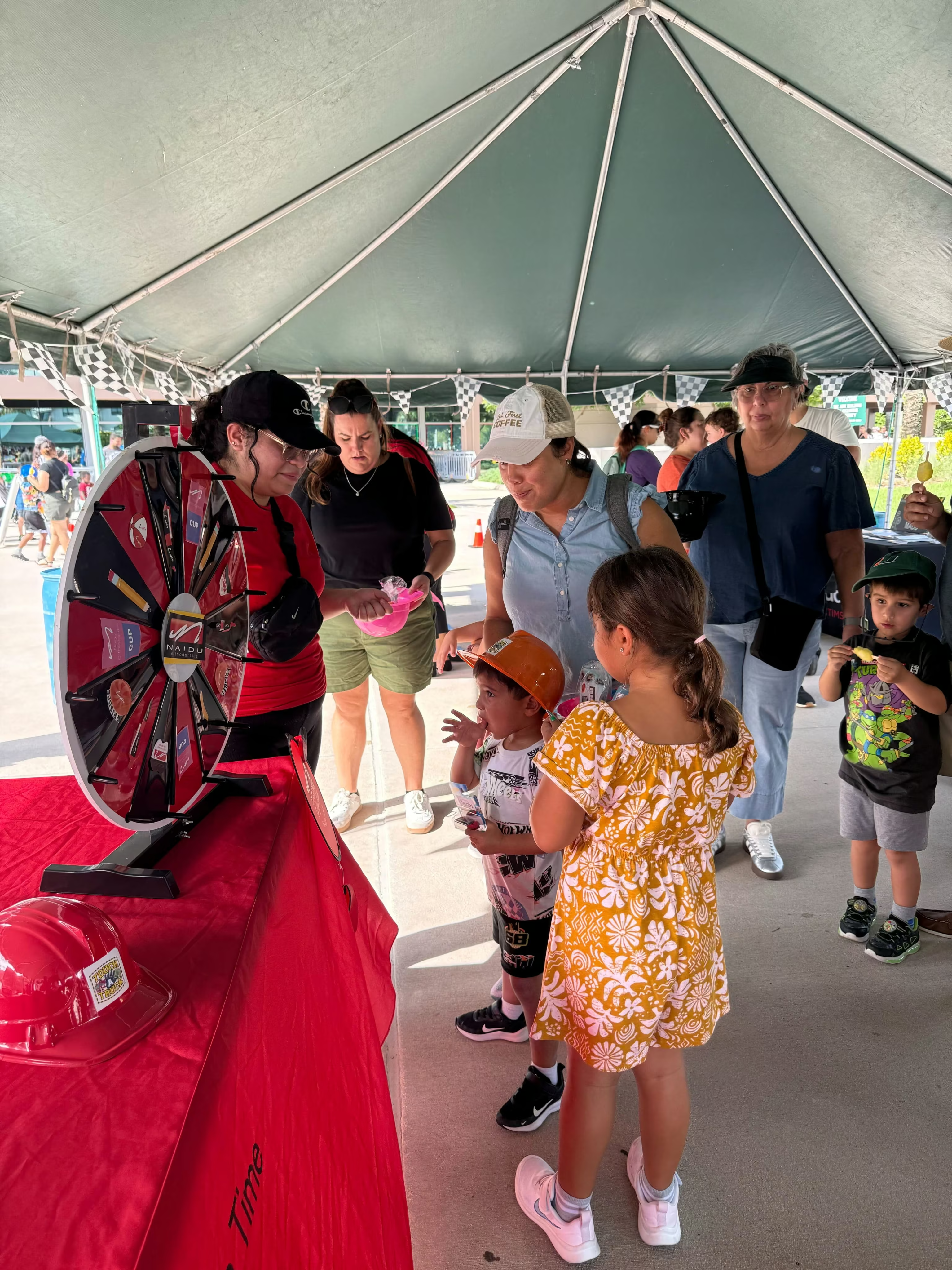
We’re proud to be part of the Pembroke Pines community—supporting local schools, fundraisers, and families who make this city shine.
Learn more
YOUR SMILE JOURNEY IS CLOSER THAN YOU THINK
First step toward the confident smile you deserve.

SCHEDULE YOUR Complimentary EXAM TODAY
Start Smiling today